Application


How important is the whiteness of barium sulfate?
Barium sulfate is an indispensable and important filler in industries such as chemical, coatings, plastics, and papermaking. Among the many indicators for measuring the quality of barium sulfate, whiteness is often the most intuitive and highly concerned one. Today, let's talk about how important is the whiteness of barium sulfate?
1、 What is the whiteness of barium sulfate?
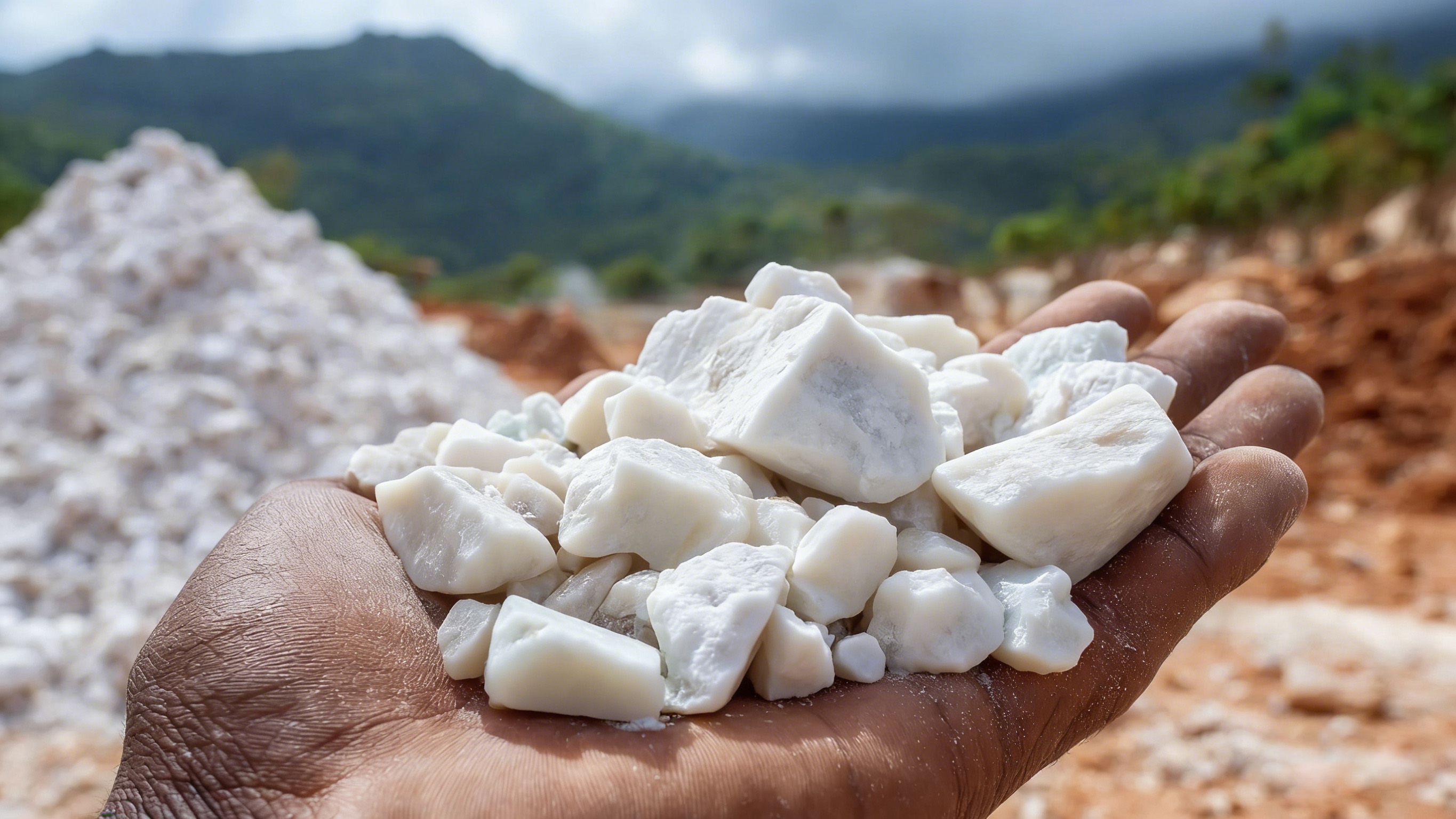
Whiteness, in simple terms, refers to the ability of a material's surface to reflect white light. For barium sulfate, the higher the whiteness, the higher the purity, the fewer impurities, and the more uniform the particle size distribution.
In practical testing, we usually use the following methods:
Take 100g of barium sulfate powder, compact it until the surface is smooth, and use a whiteness tester for testing.
Taking our latest batch of natural barium sulfate test results as an example, the whiteness value reached 89.41%, which belongs to the high-quality level.
2、 Where is the importance of whiteness reflected?
A. Affects the appearance quality of the final product
Barium sulfate is commonly used as a white filler in industries such as coatings, inks, plastics, and papermaking. The whiteness directly determines the color performance of the finished product
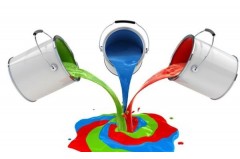
Coatings industry: Barium sulfate with high whiteness can enhance the coverage and brightness of coatings, reducing formulation costs.
Plastic industry: High whiteness barium sulfate can make plastic products appear purer white, avoiding color differences such as yellowing and graying.
Paper industry: As a coating pigment, the whiteness of barium sulfate affects the glossiness and printing effect of paper.
It can be said that whiteness is the first hurdle for the "appearance" of a product.

B. Reflect the purity and stability of the product
The whiteness is closely related to the purity of barium sulfate. Impurities such as iron, manganese, organic compounds, etc. often lead to a decrease in whiteness, and even a yellowish or grayish appearance.
Therefore, whiteness is not only an external indicator, but also a barometer of internal quality. A stable whiteness value means that the production process is mature, the source of raw materials is reliable, and quality control is in place.
C. Determine the scope of product application and added value
The requirements for the whiteness of barium sulfate vary among different industries
Ordinary filler grade: The whiteness requirement is generally around 85% -88%;
High end coatings and ink grade: The whiteness requirement is usually above 90%;
The higher the whiteness, the wider the application range of the product, and the higher the added value. Therefore, for barium sulfate production enterprises, improving whiteness is an important path towards the high-end market.
Conclusion
Whiteness, seemingly just a number, reflects the quality level and application value of barium sulfate behind it. A whiteness of 89.41% means that this natural barium sulfate can have stable performance in fields such as coatings, plastics, and papermaking.
In today's increasingly competitive market, high whiteness means high competitiveness. Both manufacturers and downstream users should pay attention to the key indicator of whiteness, control quality from the source, in order to win trust at the end.
If you have any questions about the application or selection of barium sulfate, please feel free to leave a message and we will provide you with professional answers and support.