
Application


Real Application Cases of Precipitated Barium Sulfate in Films
Customer On-Site Shots: How Does the Film Perform with Precipitated Barium Sulfate Added?
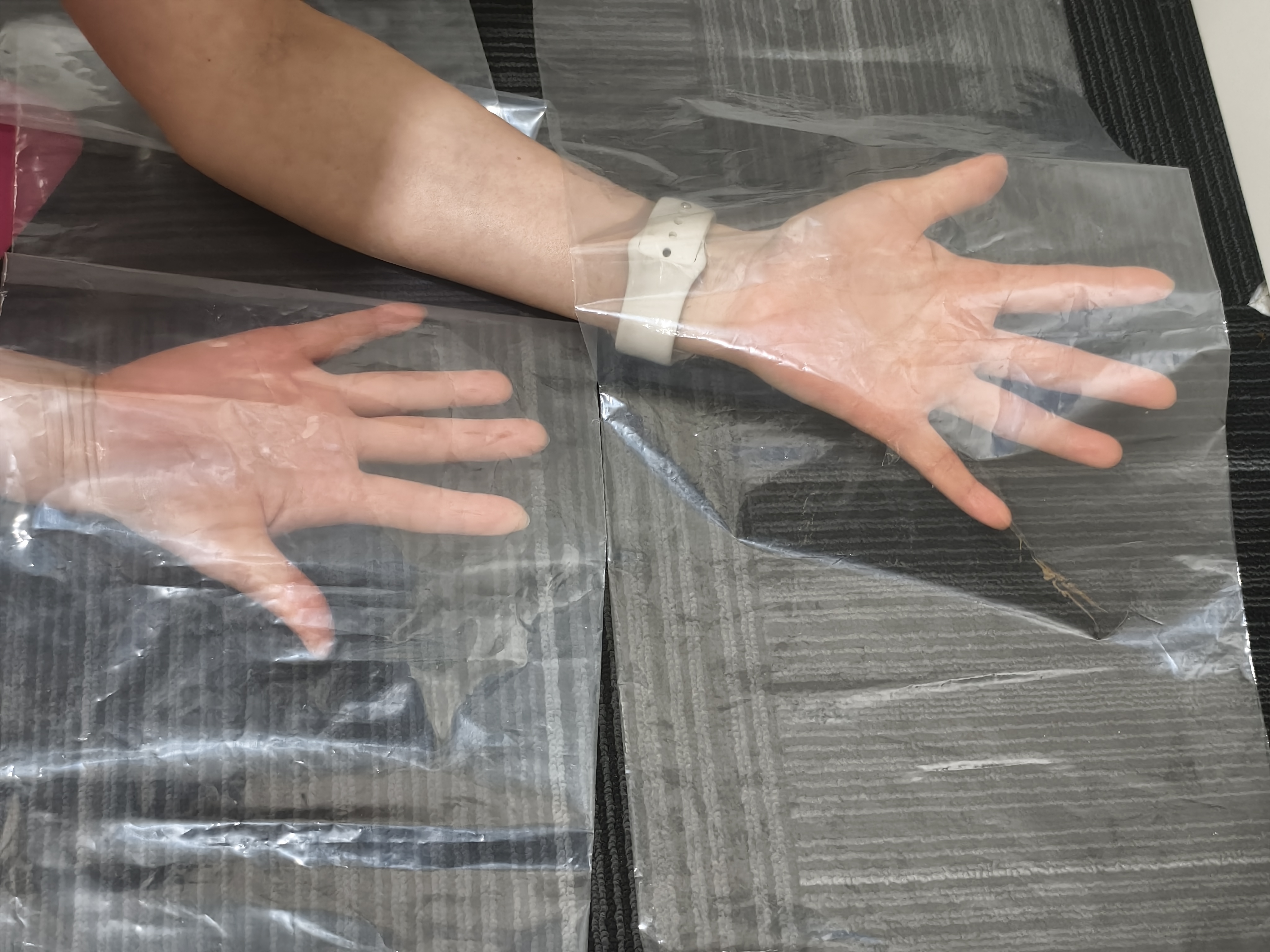
This is a production shot from one of our packaging film customers – the finished film product with precipitated barium sulfate added.
• Case images: Provided by the user as real product photos, showing the finished film after the addition of precipitated barium sulfate.
Looking through the film, you can see that the base color is white and uniform, the surface gloss is fine and smooth, and the outlines of the patterns underneath remain clearly visible.
Whiteness and translucency are achieved at the same time – this is exactly the core value of high-quality precipitated barium sulfate.
Why precipitated barium sulfate?
-
Its refractive index matches the resin matrix, providing just the right level of transparency – white enough, bright enough, and natural enough. The refractive index of barium sulfate is close to that of PE/PP matrices, resulting in moderate scattering – while enhancing whiteness, it does not completely sacrifice transparency like other fillers.
-
Narrow particle size distribution yields a finer surface. The near-spherical particles disperse uniformly, giving the film good gloss, no fish eyes, and better printability.
-
High purity delivers a purer base color. With low iron and low impurities, it does not yellow during processing, and offers stable weather resistance.
When selecting a film grade, just keep these three points in mind:
-
Look at distribution: A narrow particle size distribution is more important than "the finer the better."
-
Look at purity: Whiteness ≥ 94% to avoid yellowing and color deviation.
-
Look at treatment: Surface-modified products disperse better and provide more stable extrusion.
Application suggestion: Based on general formulation practices in the plastic film industry, the specific dosage should be adjusted according to actual process conditions.


